Sunday, February 28, 2016

DIY mistakes that lower a home's value
While there are a number of little (and big) things you can do to up your home's price tag, there are also a few projects that can have a negative effect on the value of your property, these include:
  • Eliminating bedrooms
  • Adding features in the wrong places (i.e. squeezing in an extra bathroom that cuts into living space)
  • Improper installations (attempting to drywall, wiring your own electrical, etc.)
  • Not passing inspections
  • Installing bath and tub surrounds that attract mold
Other big turn-offs to buyers and renters
Some of the factors that can turn buyers and renters off when you're trying to sell or gather new income are often out of your control, but they're things you should be aware of. The 5 biggest turn-offs:
  • Mold
  • Structural damage
  • Rodents
  • Insects
  • Lead
The biggest mistake new home owners make
It's easier to help people make good decisions, rather than help people fix a bad decision. The most common bad decision? Buyers letting their emotions get the best of them. People make emotional decisions. They fall in love with the place, and try to afford it later. This never works out well.

Thursday, February 11, 2016

Top Reason to List Your House For Sale Now!

Top Reason to List Your House For Sale Now! | Keeping Current Matters
If you are debating listing your house for sale this year, here is the #1 reason not to wait!

Buyer Demand Continues to Outpace the Supply of Homes For Sale

The National Association of REALTORS’ (NAR) Chief Economist, Lawrence Yun recently commented on the inventory shortage:
“While feedback from REALTORS® continues to suggest healthy levels of buyer interest, available listings that are move-in ready and in affordable price ranges remain hard to come by for many would-be buyers.”
The latest Existing Home Sales Report shows that there is currently a 5.1-month supply of homes for sale. This remains lower than the 6-month supply necessary for a normal market and well below November 2014 numbers.
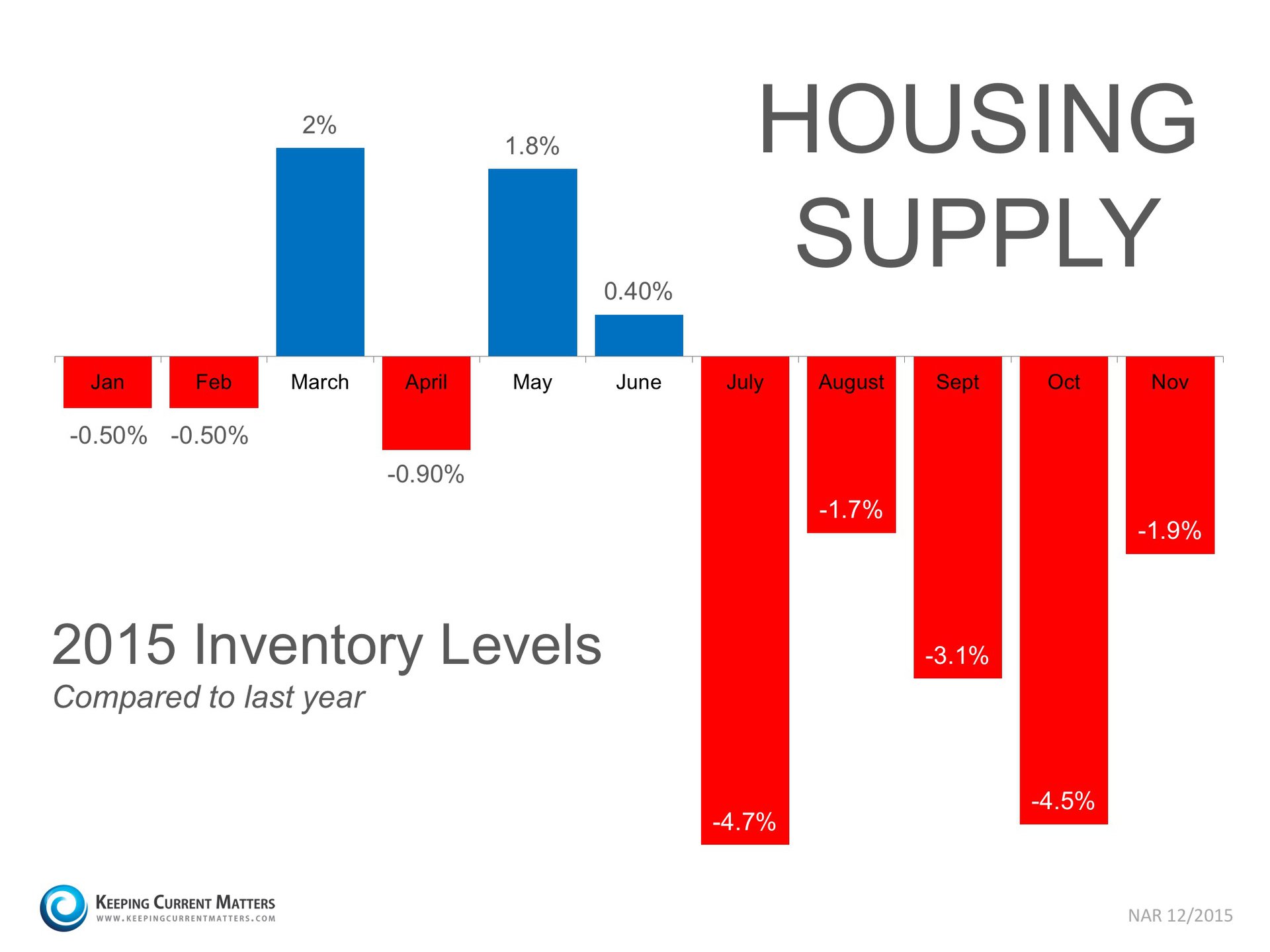
The chart below details the year-over-year inventory shortages experienced in 2015:
Housing Supply Year-Over-Year | Keeping Current Matters
Anything less than a six-month supply is considered a “Seller’s Market”.

Bottom Line

Let the A-Team show you the supply conditions in your neighborhood and assist you in gaining access to the buyers who are ready, willing and able to buy now!


Monday, November 23, 2015

Singles Are Falling For Their Dream Home  


Singles Are Falling For Their Dream Home [INFOGRAPHIC] | Keeping Current Matters

Some Highlights: 

  • 24% of all recent home buyers were single at the time of purchase
  • 47% of single men cite the desire to own a home of their own as the primary reason to buy
  • 18% of first-time buyers were single women

Friday, November 6, 2015

House Hasn’t Sold Yet? Take Another Look at the Price


The residential housing market has been hot. Home sales have bounced back solidly and are now at their second highest pace since February 2007. Demand remains strong going into the winter. Many real estate professionals are reporting that multiple offers are occurring regularly and listings are actually selling above listing price. What about your house?

If your house hasn’t sold, it is probably the price.

If your home is on the market and you are not receiving any offers, look at your price. Pricing your home just 10% above market value dramatically cuts the number of prospective buyers that will even see your house. (See Chart)
Proper Pricing Pyramid | Keeping Current Matters

Bottom Line

The housing market is hot. If you are not seeing results you want, sit down with your agent and revisit the pricing conversation.

Monday, September 21, 2015

3 Graphs That Scream List Your House Today!

3 Graphs That Scream List Your Home Today! | Keeping Current Matters
In school we all learned the Theory of Supply and Demand. When the demand for an item is greater than the supply of that item, the price will surely rise.

SUPPLY

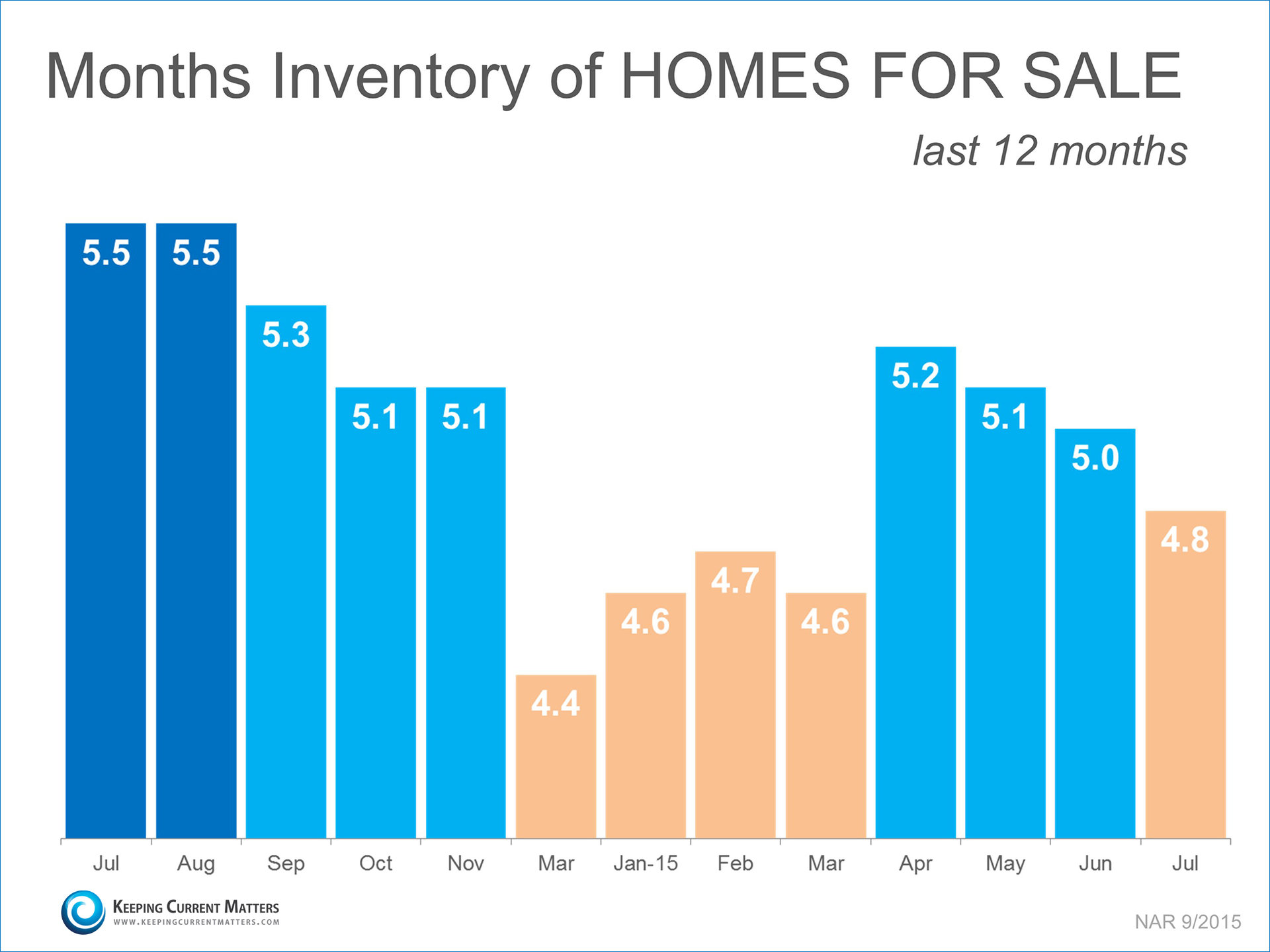
The National Association of Realtors (NAR) recently reported that the inventory of homes for sale stands at a 4.8-month supply. This is significantly lower than the 6 months inventory necessary for a normal market.
Inventory | Keeping Current Matters

DEMAND

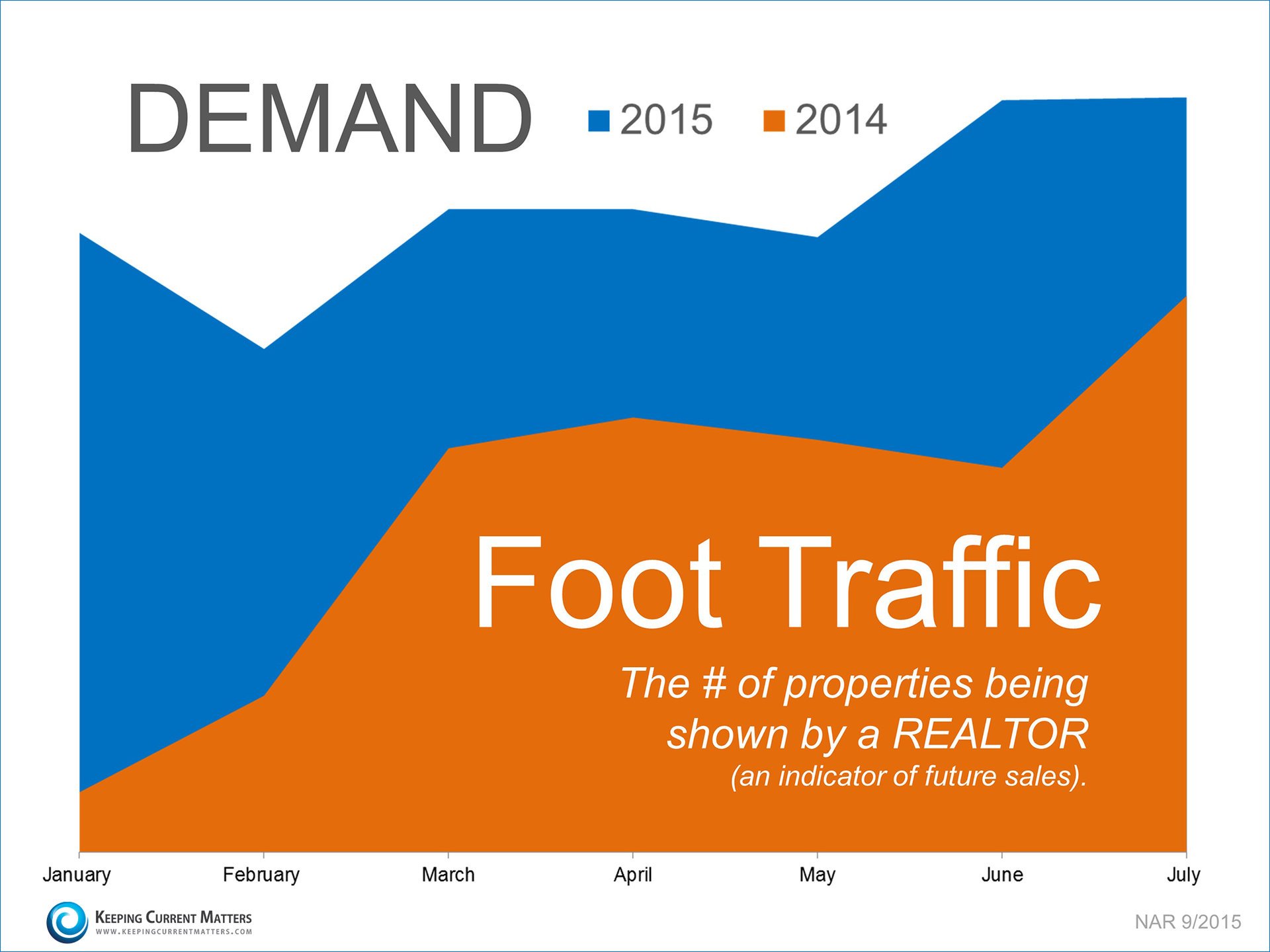
Every month NAR reports on the amount of buyers that are actually out in the market looking for homes, or foot traffic. As seen in the graph below, buyer demand this year has significantly surpassed the levels reached in 2014.
Foot Traffic | Keeping Current Matters
Many buyers are being confronted with a very competitive market in which they must compete with other buyers for their dream home (if they even are able to find a home they wish to purchase).
Listing your house for sale now will allow you to capitalize on the shortage of homes for sale in the market, which will translate into a better pricing situation.

HOME EQUITY

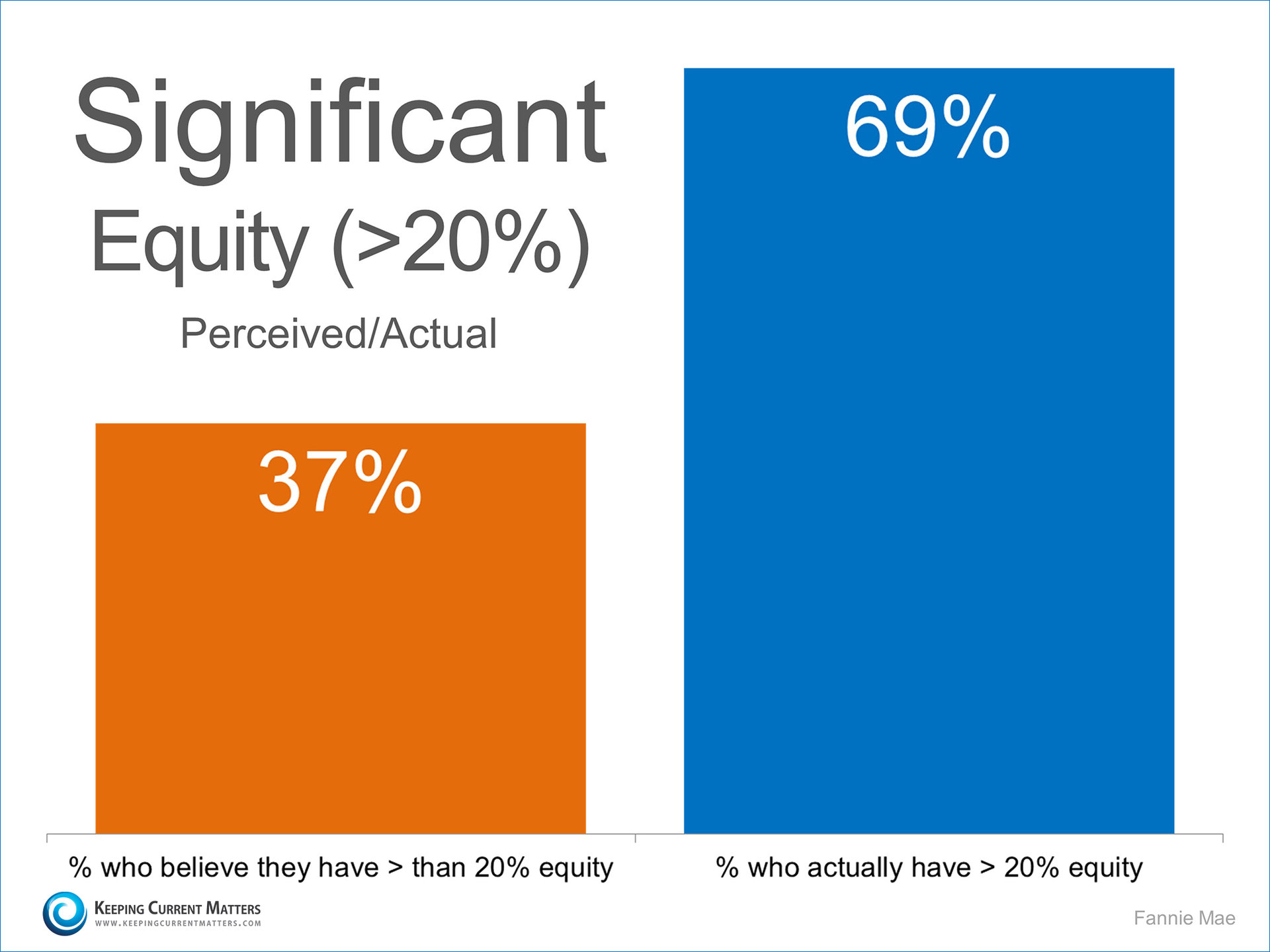
Many homeowners underestimate the amount of equity they currently have in their home. According to a recent Fannie Mae study, 37% of homeowners believe that they have more than 20% equity in their home. In reality 69% of homeowners actually do!
Equity | Keeping Current Matters
Many homeowners who are undervaluing their home equity may feel trapped in their current home, which may be contributing to the lack of inventory in the market.

Bottom Line

If you are debating selling your home this year, meet with Audrey George and the A Team, professionals that can evaluate the equity you have in your home and the opportunities available in your market.
 

Thursday, September 3, 2015

What Do You Really Need

What Do You Really Need to Qualify for a Mortgage?


A recent survey by Ipsos found that the American public is still somewhat confused about what is actually necessary to qualify for a home mortgage loan in today’s housing market. The study pointed out two major misconceptions that we want to address today.

1. Down Payment

The survey revealed that consumers overestimate the down payment funds needed to qualify for a home loan. According to the report, 36% think a 20% down payment is always required. In actuality, there are many loans written with a down payment of 3% or less.
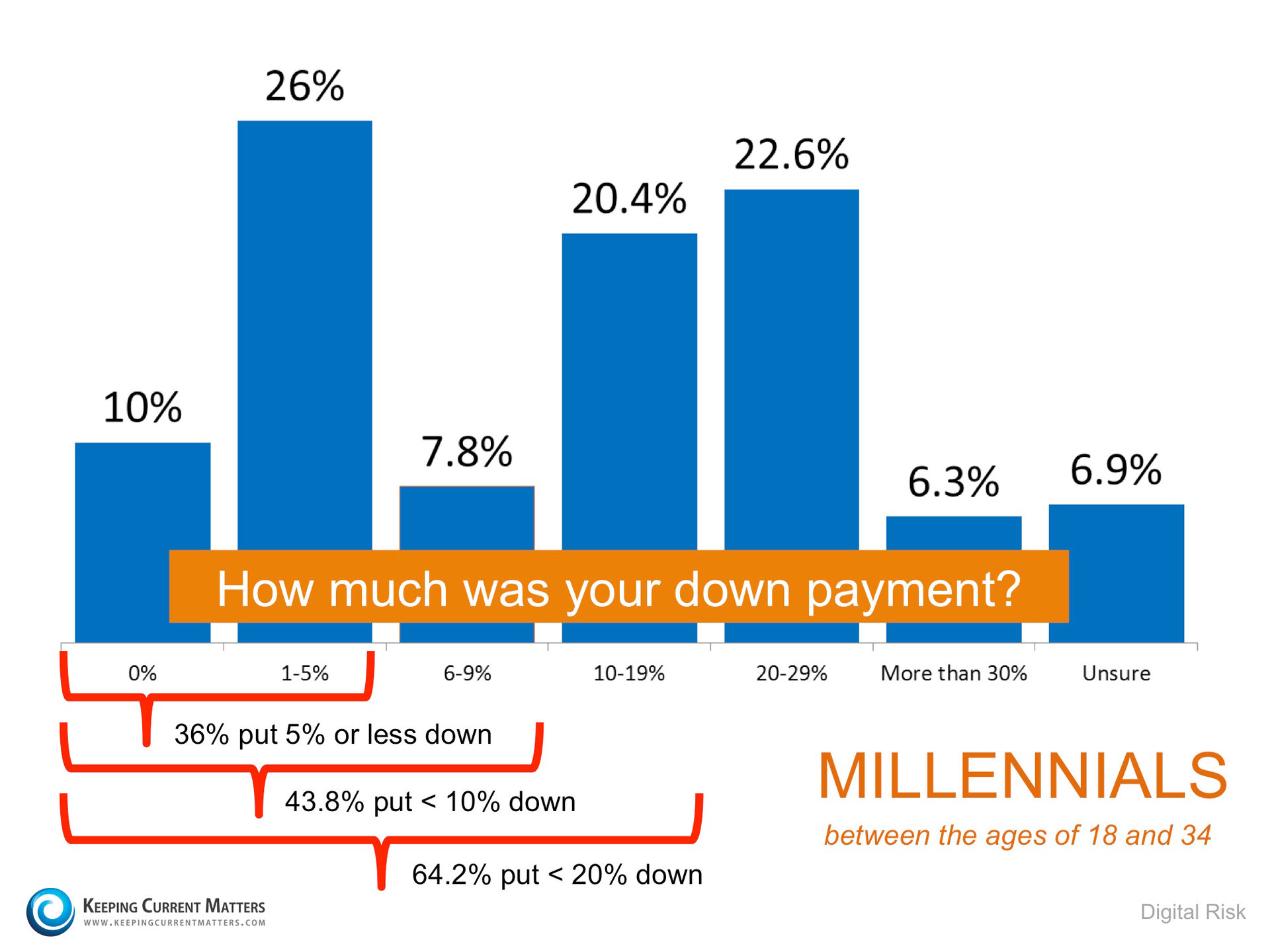
Here are the results from a Digital Risk survey done on Millennials:
Millennials Down Payments | Keeping Current Matters

2. FICO Scores

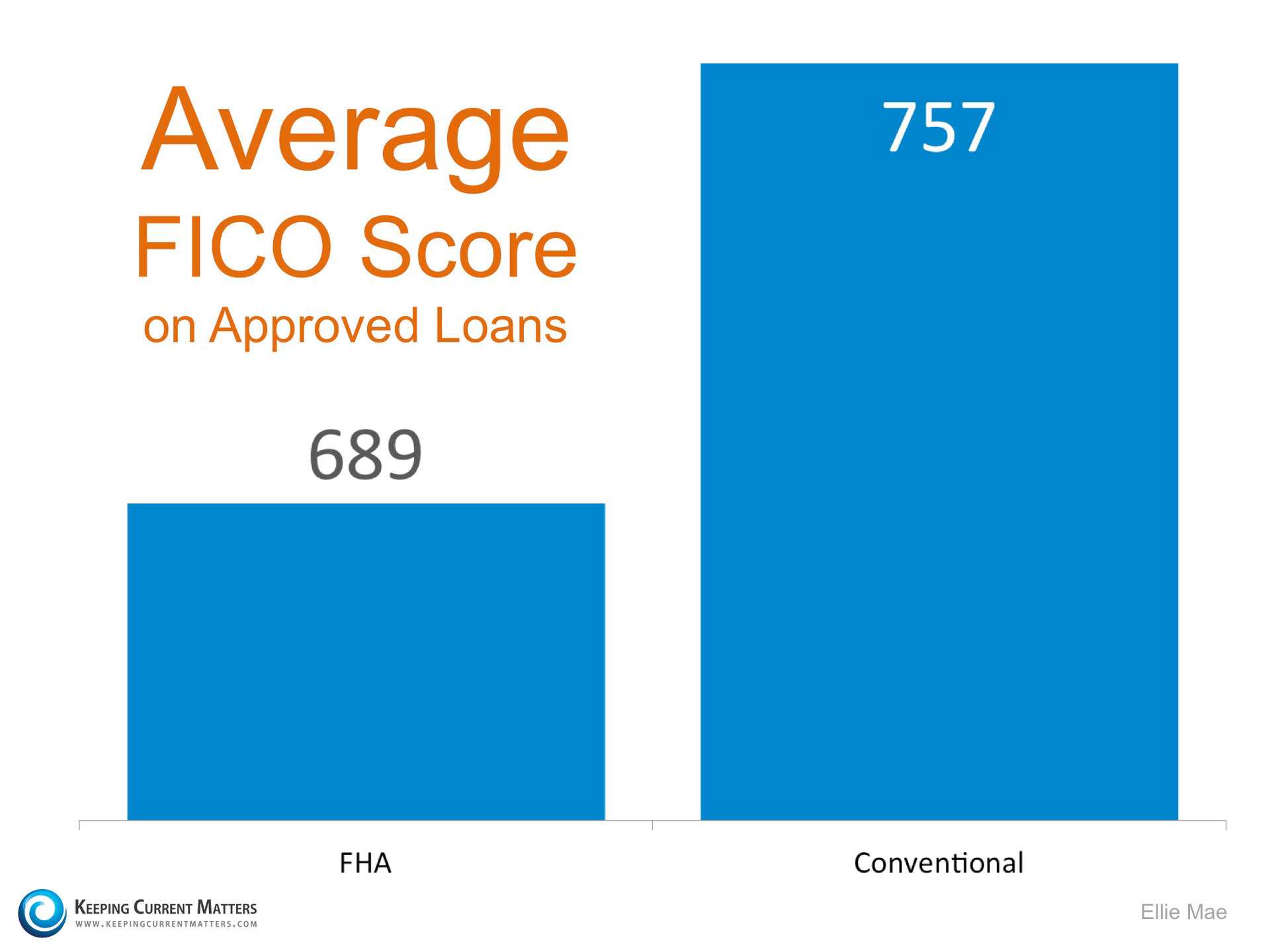
The Ipsos survey also reported that two-thirds of the respondents believe they need a very good credit score to buy a home, with 45 percent thinking a “good credit score” is over 780. In actuality, the average FICO scores of approved conventional and FHA mortgages are much lower.
Here are the numbers from a recent Ellie Mae report:
FICO Score Of Approved Loans | Keeping Current Matters

Bottom Line

If you are a prospective purchaser who is ‘ready’ and ‘willing’ to buy but not sure if you are also ‘able’, sit down with someone who can help you understand your true options.

Sunday, August 30, 2015

Should I Wait to Put Down a Bigger Down Payment?

Should I Wait to Put Down a Bigger Down Payment?


Some experts are advising that first time and move-up buyers wait until they save up 20% before they move forward with their decision to purchase a home. One of the main reasons they suggest waiting is that a buyer must purchase private mortgage insurance if they have less than the 20%. That increases the monthly payment the buyer will be responsible for.
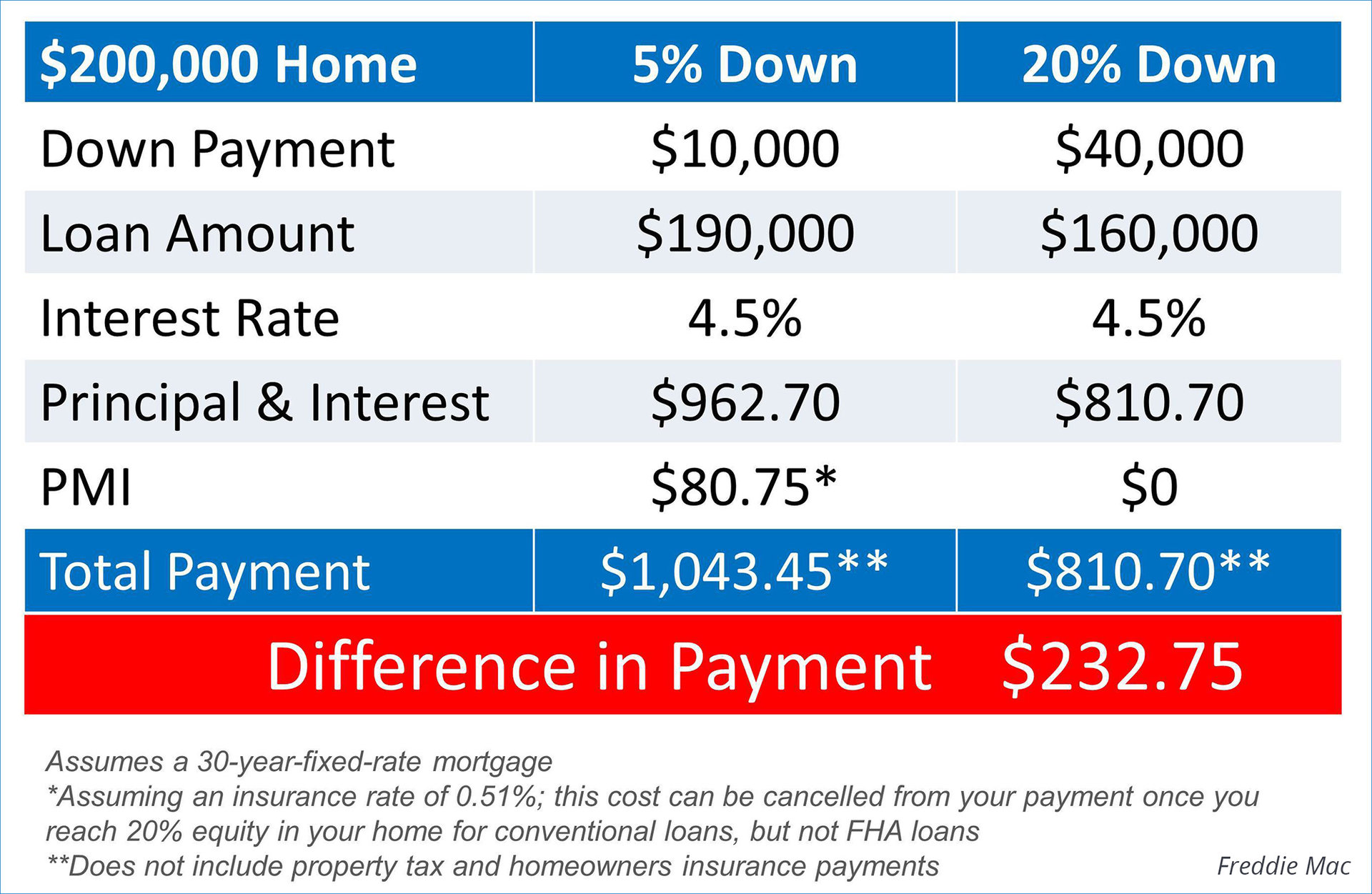
In a recent article, Freddie Mac explained what this would mean for a $200,000 house:
Difference Between a 5% and 20% Down Payment | Keeping Current Matters
However, we must look at other aspects of the purchase to see if it truly makes sense to wait.

Are you actually saving money by waiting?

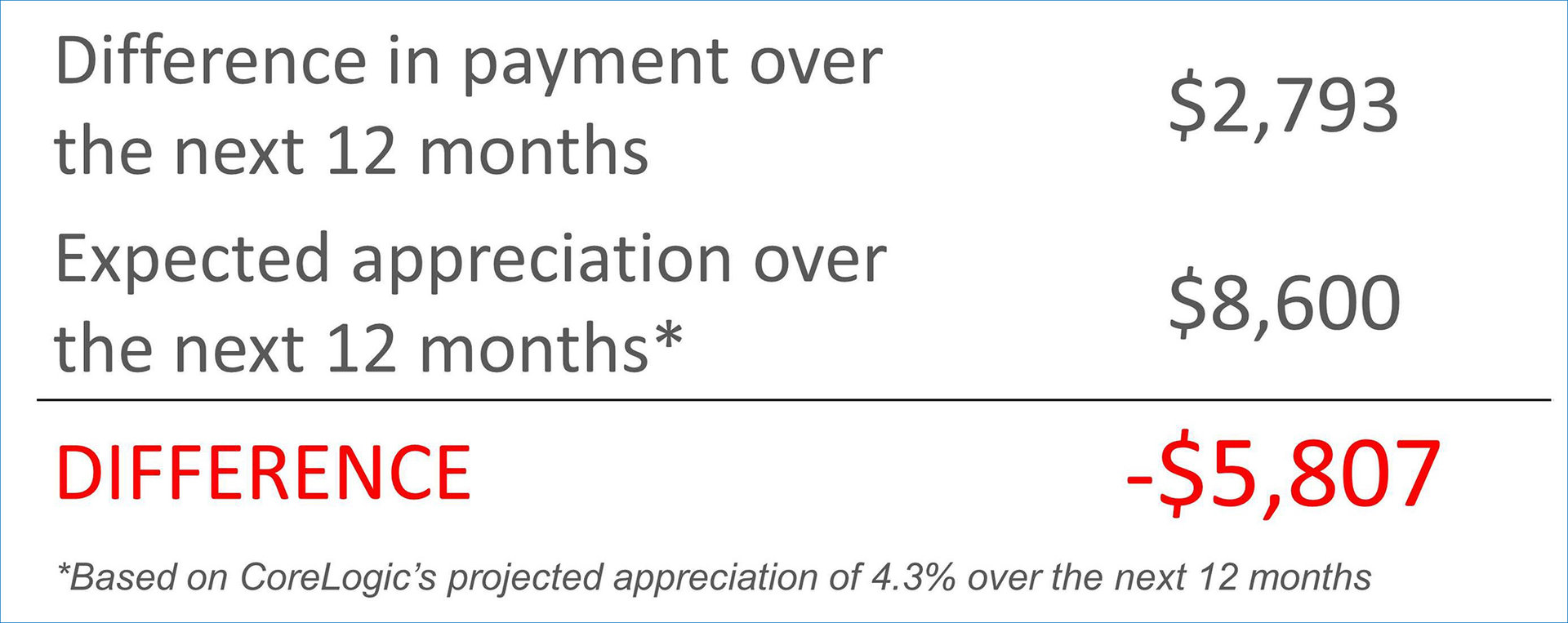
CoreLogic has recently projected that home values will increase by 4.3% over the next 12 months. Let’s compare the extra cost of PMI against the projected appreciation:
PMI vs Appreciation | Keeping Current Matters
If you decide to wait until you have saved up a 20% down payment, the money you would have saved by avoiding the PMI payment could be surpassed by the additional price you eventually pay for the home. Prices are expected to increase by more than 3% each of the next five years.
Saving will also be more difficult if you are renting, as rents are also projected to increase over the next several years. Zillow Chief Economist Dr. Svenja Gudell explained in a recent report:
"Our research found that unaffordable rents are making it hard for people to save for a down payment ... There are good reasons to rent temporarily – when you move to a new city, for example – but from an affordability perspective, rents are crazy right now. If you can possibly come up with a down payment, then it's a good time to buy a home and start putting your money toward a mortgage."
Laura Kusisto of the Wall Street Journal recently agreed with Dr. Gudell:
“For some renters there may be a way out: Buy a house. Mortgages remain very affordable.”

Mortgage rates are expected to rise…

Freddie Mac is projecting that mortgage interest rates will increase by almost a full percentage point over the next 12 months. That will also impact your mortgage payment if you wait.

Bottom Line

Sit with a real estate or mortgage professional to truly understand whether you should buy now or wait until you save the 20%.