Sunday, August 30, 2015

Should I Wait to Put Down a Bigger Down Payment?

Should I Wait to Put Down a Bigger Down Payment?


Some experts are advising that first time and move-up buyers wait until they save up 20% before they move forward with their decision to purchase a home. One of the main reasons they suggest waiting is that a buyer must purchase private mortgage insurance if they have less than the 20%. That increases the monthly payment the buyer will be responsible for.
In a recent articleFreddie Mac explained what this would mean for a $200,000 house:
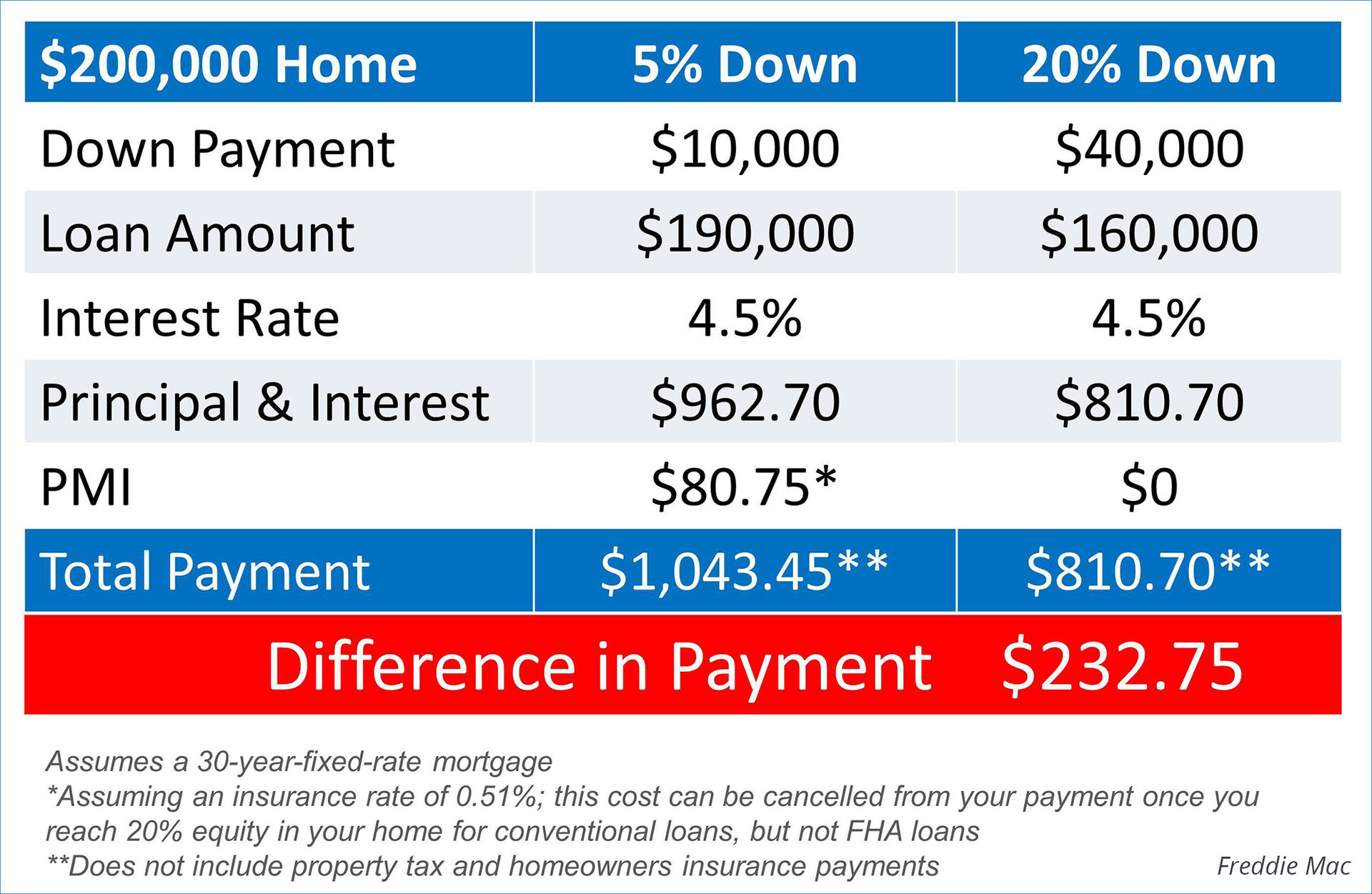
Difference Between a 5% and 20% Down Payment | Keeping Current Matters
However, we must look at other aspects of the purchase to see if it truly makes sense to wait.

Are you actually saving money by waiting?

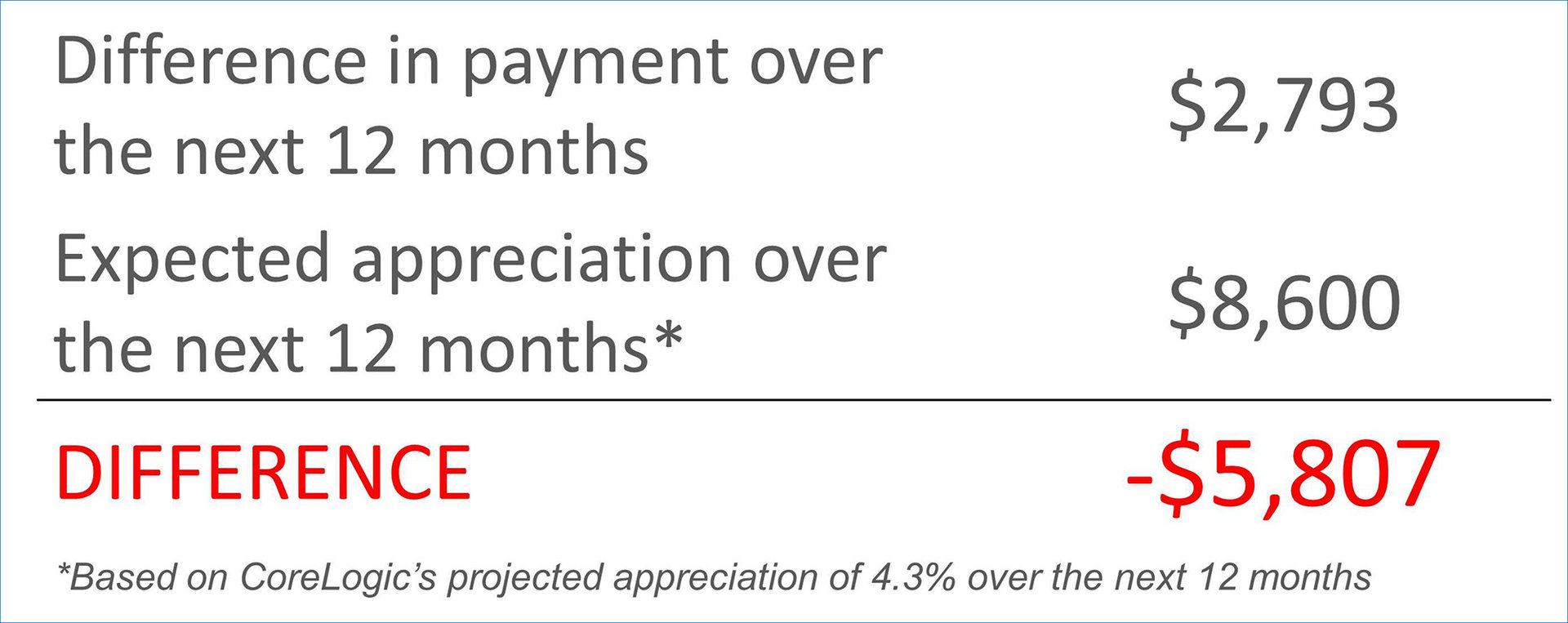
CoreLogic has recently projected that home values will increase by 4.3% over the next 12 months. Let’s compare the extra cost of PMI against the projected appreciation:
PMI vs Appreciation | Keeping Current Matters
If you decide to wait until you have saved up a 20% down payment, the money you would have saved by avoiding the PMI payment could be surpassed by the additional price you eventually pay for the home. Prices are expected to increase by more than 3% each of the next five years.
Saving will also be more difficult if you are renting, as rents are also projected to increase over the next several years. Zillow Chief Economist Dr. Svenja Gudell explained in a recent report:
"Our research found that unaffordable rents are making it hard for people to save for a down payment ... There are good reasons to rent temporarily – when you move to a new city, for example – but from an affordability perspective, rents are crazy right now. If you can possibly come up with a down payment, then it's a good time to buy a home and start putting your money toward a mortgage."
Laura Kusisto of the Wall Street Journal recently agreed with Dr. Gudell:
“For some renters there may be a way out: Buy a house. Mortgages remain very affordable.”

Mortgage rates are expected to rise…

Freddie Mac is projecting that mortgage interest rates will increase by almost a full percentage point over the next 12 months. That will also impact your mortgage payment if you wait.

Bottom Line

Sit with a real estate or mortgage professional to truly understand whether you should buy now or wait until you save the 20%.

Saturday, August 22, 2015


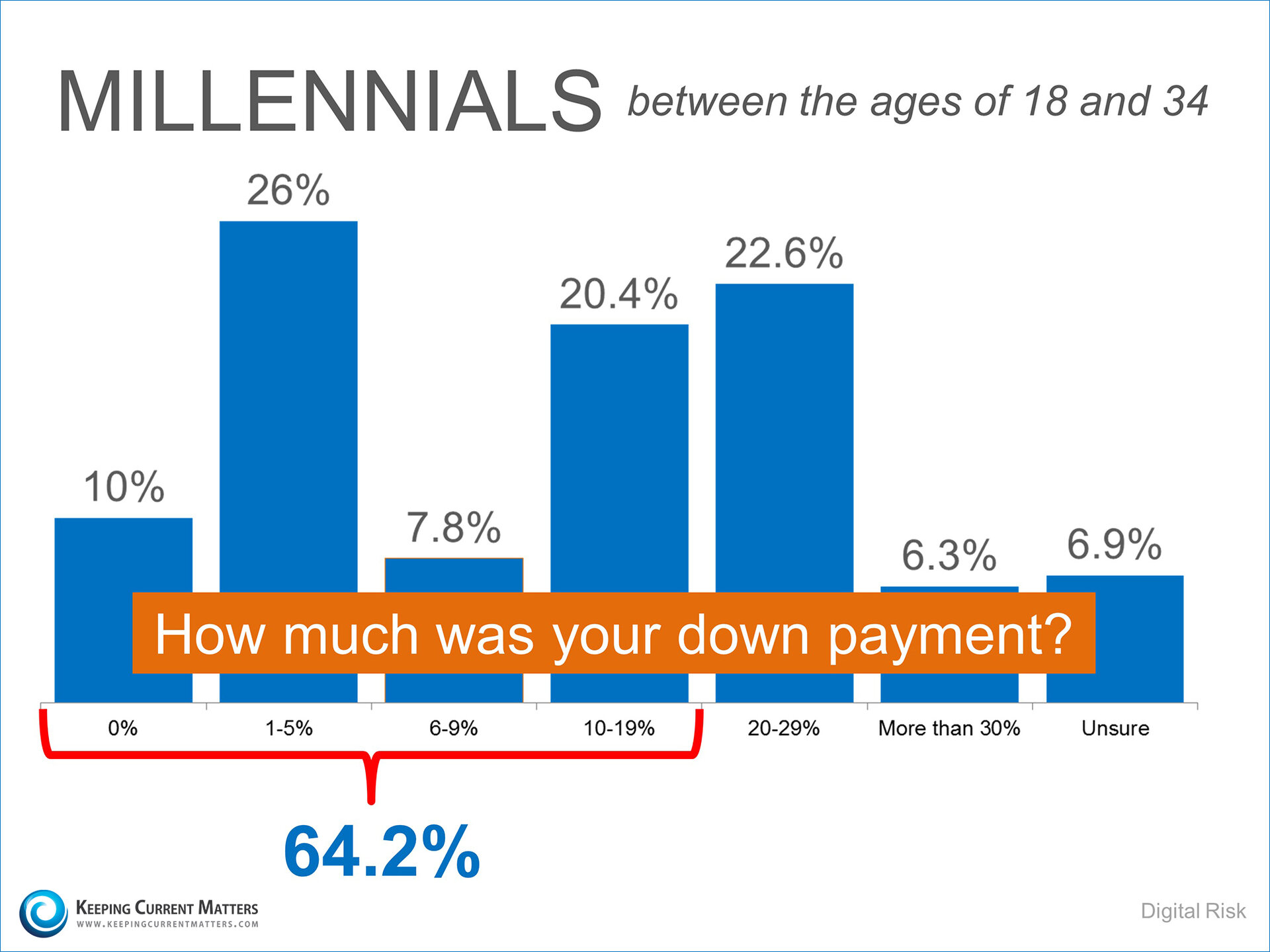
64.2% of Millennials Put Down Less than 20%

64.2% of Millennials Put Down Less than 20% | Keeping Current Matters
Digital Risk recently polled Millennials about the housing market. Among their findings was the fact that nearly two-thirds of the generation who have recently purchased a home, have done so with less than 20% down; with 36% putting down less than 5%!

Here is a graph detailing the results:

Millennial Down Payments | Keeping Current Matters
This means that more and more American’s between the ages of 18 and 34 stopped paying their landlord’s mortgage and started building their own family’s wealth.

Millennials aren’t the only ones taking advantage of lower down payments.

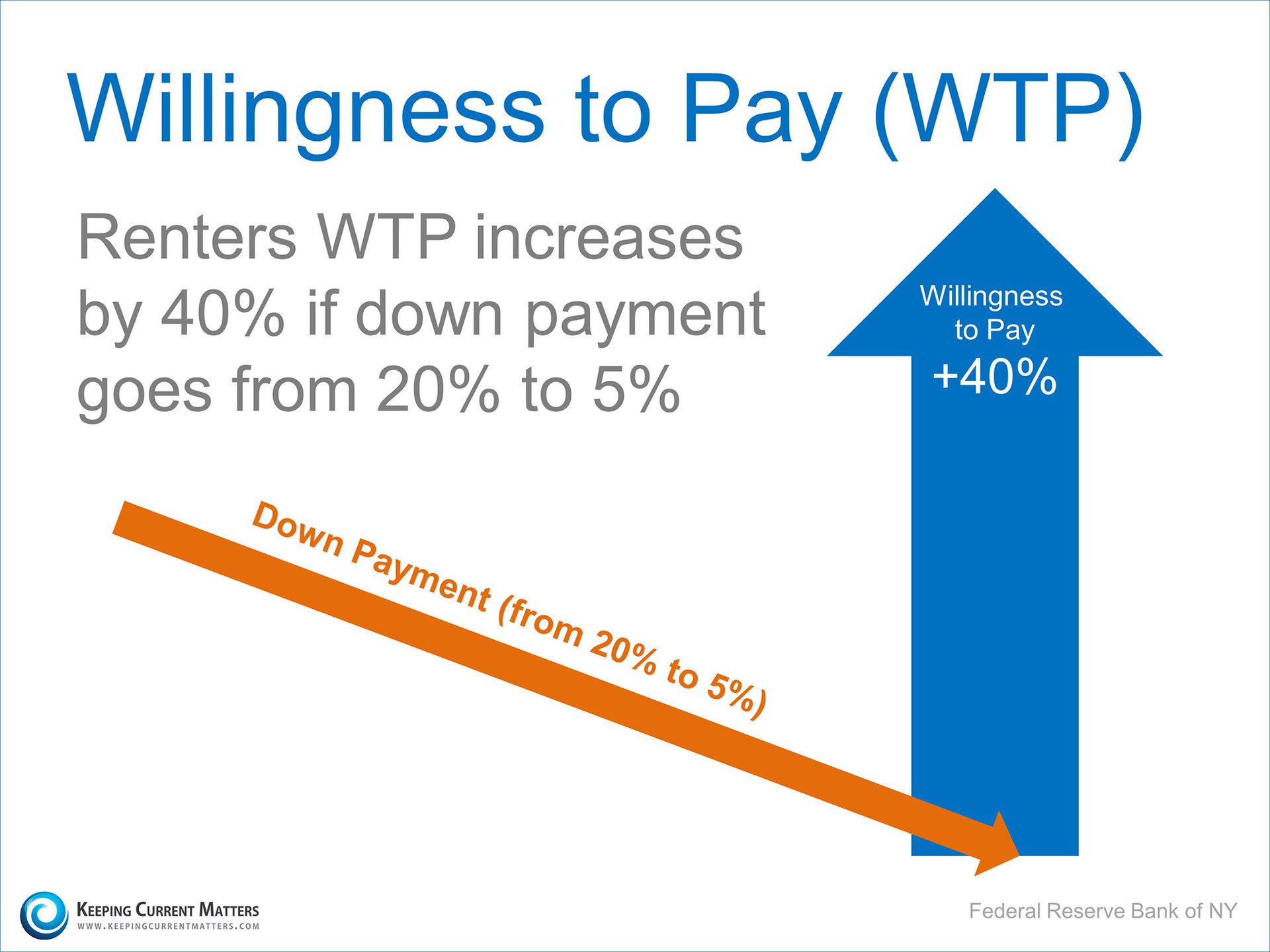
The Federal Reserve Bank of New York found that if the down payment required to purchase a home went from 20% to 5%, a renter’s Willingness To Pay (WTP) increased by 40%.
Willingness To Pay | Keeping Current Matters
The problem is that thirty-six percent of Americans still think a 20% down payment is always required when buying a home. Many renters may actually be able to enter the housing market sooner than they ever imagined with new programs that have emerged allowing less cash out of pocket.

Bottom Line

If you are one of the many renters now realizing that the home of your dreams is obtainable, contact a local real estate professional who can guide you through the process.

Thursday, July 9, 2015

Debunking Some Myths about Mortgage Availability

Debunking Some Myths about Mortgage Availability | Keeping Current Matters
There seems to be a growing chasm between what the public believes to be needed and what is actually needed to qualify for a residential home loan.
A recent survey by Ipsos reported that:
  • Two-thirds of those surveyed believe they need a very good credit score to buy a home, with 45 percent thinking a “good credit score” is over 780.
  • Consumers overestimate the down payment funds needed to qualify for a home loan, with 36 percent thinking a 20 percent down payment is always required.
However, according to American Enterprise Institute's International Center on Housing Risk’s May First-Time Buyer Mortgage Risk Index (FBMRI), reality is far from perception. The report reveals:
  • 70% of first-time buyer mortgages had a combined loan-to-value ratio of 95% or higher
  • About 20% of first-time buyers taking out mortgages had a FICO score below 660
  • 25% had total debt-to-income ratios above 43 percent
  • The median first-time buyer with an agency mortgage made a down payment of only 3 percent, or $7200 in dollar terms.
  • The median FICO score for first-time buyers with agency mortgages was 705
  • For first-time buyers with FHA-insured loans, the median FICO score was only 672
These numbers contradict the frequent claims that first-time buyers face difficulties in obtaining mortgages.

Bottom Line

Stephen Oliner, co-director of AEI’s International Center on Housing Risk explained the reality of the situation.
“One hears all the time that first-time buyers have limited access to mortgage debt.  But this isn’t true. Many first-time buyers with low FICO scores and little money down are buying homes every month.”
 Like Us on Facebook


Friday, May 22, 2015

New Construction: Hear Those Hammers in the Background?


New Construction: Hear Those Hammers in the Background? | Keeping Current Matters
If you are planning on selling your home over the next two years, now may be the time to act. Demand is high, supply is low and many homeowners are benefiting from an almost auction atmosphere with several buyers fighting for their house in the current multi-bid environment. Higher prices and less stringent contingencies are making it easier for the seller and their family.
However, there may be more (and better) competition about to hit the market in the form of newly constructed homes. This may put an end to the buyers’ frenzy over the limited inventory of existing homes which has been below normal levels for over a year.
According to the latest report from the National Association of Realtors (NAR), the forecast for new housing starts and sales will increase significantly over the next two years:
  • NAR is forecasting 1.1 million new housing starts in 2015, jumping to 1.4 million in 2016.
  • New home sales are projected to increase from the 437,000 in 2014 to 570,000 this year and 720,000 in 2016.

Bottom Line

In major urban areas across the country, building cranes are again stretched across the city skyline. In many suburbs, you can again hear the thumping of a carpenter’s hammer in the background. Those are the sights and sounds that inform us that it may be time to sell.

Wednesday, May 20, 2015

More Home Buyers Putting Less Down

More Home Buyers Putting Less Down | Keeping Current Matters
recent post by the National Association of Realtors (NAR) revealed that in the months of December 2014 through February 2015, there was an increase in the number of first-time buyers making a down payment of 6% or less as compared to last year:
  • 2014: 61% of first time home buyers
  • 2015: 66% of first time home buyers
While the number of small down payments is lower than it was in 2009 when 77% of down payments were 6% or less, it does show the recent decisions by both Fannie Maeand Freddie Mac to offer 3% down payment options to certain buyers is impacting the market. FHFA Director Mel Watt recently explained why Freddie and Fannie made this decision:
“The new lending guidelines by Fannie Mae and Freddie Mac will enable creditworthy borrowers who can afford a mortgage, but lack the resources to pay a substantial down payment plus closing costs, to get a mortgage with 3% down. These underwriting guidelines provide a responsible approach to improving access to credit while ensuring safe and sound lending practices.”
This is great news to millions of purchasers that have been denied the opportunity to own their own home because of the almost impossible burden of saving for a 20% down payment.

Will these programs create future challenges?

Certain pundits fear that low down payment programs will create a wave of foreclosures down the road. Mr. Watt also addressed this concern:
“To mitigate risk, Fannie Mae and Freddie Mac will use their automated underwriting systems, which include compensating factors to evaluate a borrower’s creditworthiness. In addition, the new offerings will also include homeownership counseling, which improves borrower performance. FHFA will monitor the ongoing performance of these loans.”
Also, the Urban Institute revealed data showing what impact substantially lower down payments would have on default rates in today’s mortgage environment. Their study revealed:
“Those who have criticized low-down payment lending as excessively risky should know that if the past is a guide, only a narrow group of borrowers will receive these loans, and the overall impact on default rates is likely to be negligible. This low down payment lending was never more than 3.5 percent of the Fannie Mae book of business, and in recent years, had been even less. If executed carefully, this constitutes a small step forward in opening the credit box—one that safely, but only incrementally, expands the pool of who can qualify for a mortgage.”

Here are the direct links to the guidelines for each program:

Remember, as with any new program, there will be some confusion. Contact your mortgage professional for a deeper understanding.

Sunday, March 22, 2015

Don’t Get Caught in the ‘Renter’s Trap’

Don’t Get Caught in the ‘Renter’s Trap’ | Keeping Current Matters
There are many benefits to homeownership, one of top ones, is being able to protect yourself from rising rents and lock in your housing cost for the life of your mortgage.
The National Association of Realtors (NAR) just released their findings of a study in which they studied “income growth, housing costs and changes in the share of renter and owner-occupied households over the past five years in metropolitan statistical areas throughout the US.”

Don’t Become Trapped

The study revealed that over the last five years, a typical rent rose 15%, while the income of renters grew by only 11%. If you are currently renting, this disparity in growth could get you caught up in a cycle where increasing rents continue to make it impossible for you to save for a necessary down payment.
The top 5 markets (and Chicagoland) where renters have seen the highest increase in rents since 2009 are:
  • New York, NY (50.7%)
  • Seattle, WA (32.4%)
  • San Jose, CA (25.6%)
  • Denver, CO (24.1%)
  • St. Louis, MO (22.3%)
  • Chicago, IL (12.92%)
Homebuyers, who were able to purchase their home over the same five-year period and lock in their housing costs, were able to grow their net worth as home values have increased and their mortgage balances have gone down.

Know Your Options

Perhaps you have already saved enough to buy your first home. HousingWire reported that analysts at Nomura believe:
“It’s not that Millennials and other potential homebuyers aren’t qualified in terms of their credit scores or in how much they have saved for their down payment. 
It’s that they think they’re not qualified or they think that they don’t have a big enough down payment.” (emphasis added)
According to Freddie Mac:
“Depending on their credit history and other factors, many borrowers can expect to make a down payment of about 5 to 10%. And new 3% down financing options for qualified borrowers could mean a down payment as little as $6,000 for a $200,000 home.”

Bottom Line

Don’t get caught in the trap so many renters are currently in. If you are ready and willing to buy a home, find out if you are able. Have the A Team help you determine if you are eligible to get a mortgage.

Tuesday, March 10, 2015

American Dream

Homeownership is the “American Dream” for a Reason | Keeping Current Matters


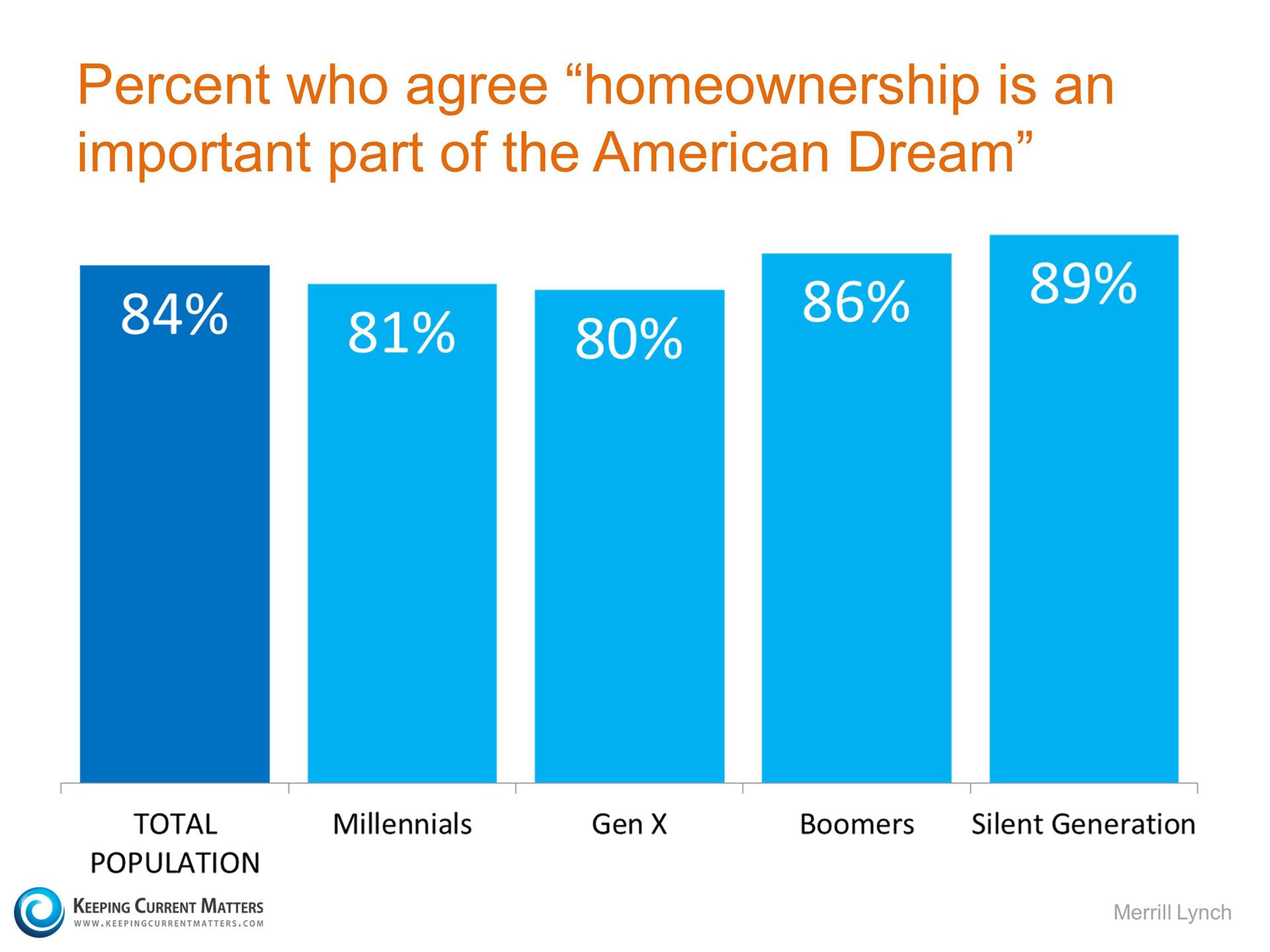
There has been some who have been voicing doubt as to whether or not the younger generations still consider buying a home as being part of the “American Dream”. A recent study by Merrill Lynch puts that doubt to rest. According to their research, every living generation still maintains that owning a home is in fact important. Here are the numbers:
Homeownership is an important part of the American Dream | Keeping Current Matters
This should not surprise us as many studies have revealed the benefits enjoyed by the families who own their own home. One such study was done by the Joint Center of Housing Studies at Harvard University that addressed a major financial benefit to owning your own home: forced savings. The report explains:
“Since many people have trouble saving and have to make a housing payment one way or the other, owning a home can overcome people’s tendency to defer savings to another day.”
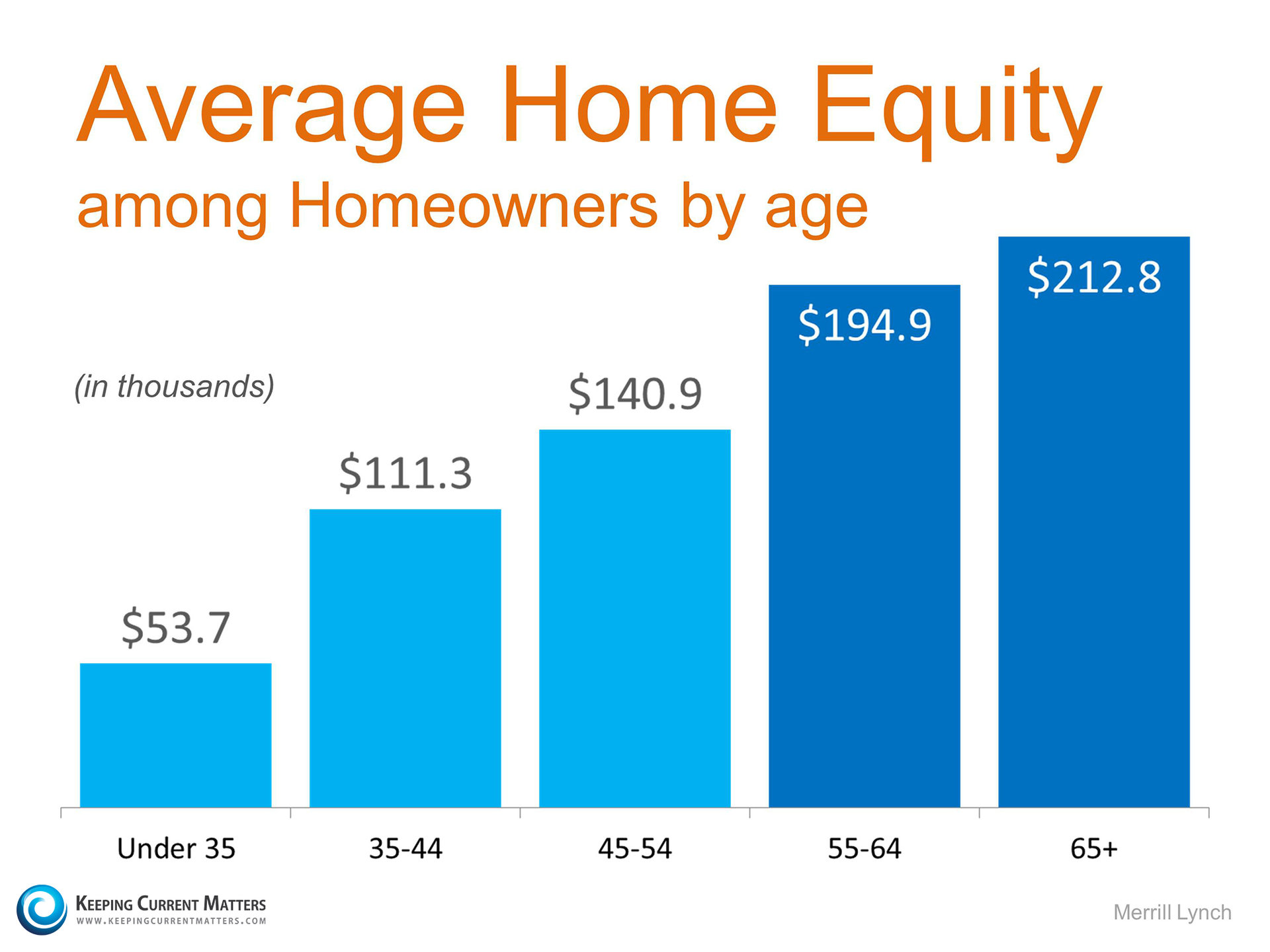
The Merrill Lynch study proves this point with the following data on home equity (a form of savings):
Average Home Equity | Keeping Current Matters

Bottom Line

There are many reasons that owning a home makes sense. The financial reasons are powerful. As one participant in the Merrill Lynch study put it:
“When I was younger, I always worried about that monthly mortgage payment. Now that I am retired, I have the peace of mind of knowing I own my home free and clear.”